The composites industry is not short of innovation.
From advanced thermoplastics to automation, digital manufacturing, and sustainable material development, the pipeline of new technologies is strong. Across aerospace, automotive, energy, and construction, there is no shortage of ideas, capability, or ambition.
So why is progress still slower than it should be? Because innovation alone is not enough.
A Connected Industry that isn't Fully Connecting
Despite its global reach, the composites sector still operates in silos. Aerospace and automotive often tackle similar challenges but rarely collaborate at scale. Sustainability remains a shared priority, yet approaches to recycling and material reuse are fragmented. Breakthrough technologies continue to emerge, but many struggle to transition from development into widespread commercial adoption.
Industry initiatives, such as the European Composites Circular Alliance, are beginning to address these challenges, particularly in circularity and end-of-life solutions. However, broader cross-sector alignment and commercial integration are still needed to unlock real scale.
The issue is not capability. It is connection. Too often, the right people are simply not in the same room.
The cost of fragmentation
This lack of connection has real consequences.
- Technologies remain in development longer than necessary.
- Supply chains struggle to align with emerging demand.
- Investment opportunities are missed or delayed.
- Cross-sector learning is underutilised.
At a time when industries are under pressure to scale faster, reduce waste, and deliver more sustainable solutions, these inefficiencies matter.
The composites industry has the answers. It just needs to connect them.
A Platform Designed to Close the Gap
This is the thinking behind the International Composites Summit.
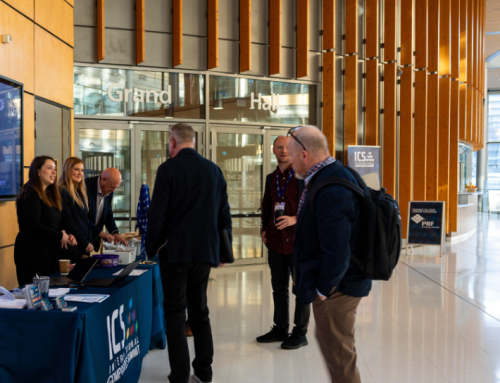
Taking place on 1–2 December 2026 in London, ICS is built around a clear objective: to bring together the people who need to meet and give them a reason to act.
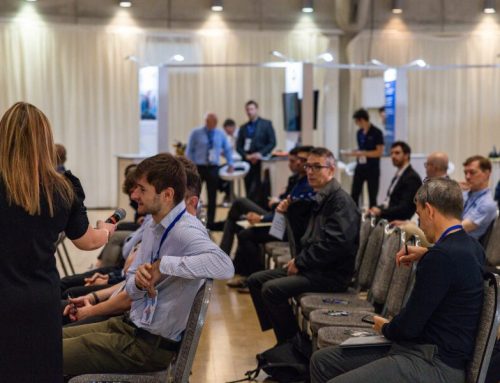
Rather than focusing solely on presentations, ICS is designed to facilitate:
- Meaningful introductions between businesses.
- Cross-sector conversations that lead to new applications.
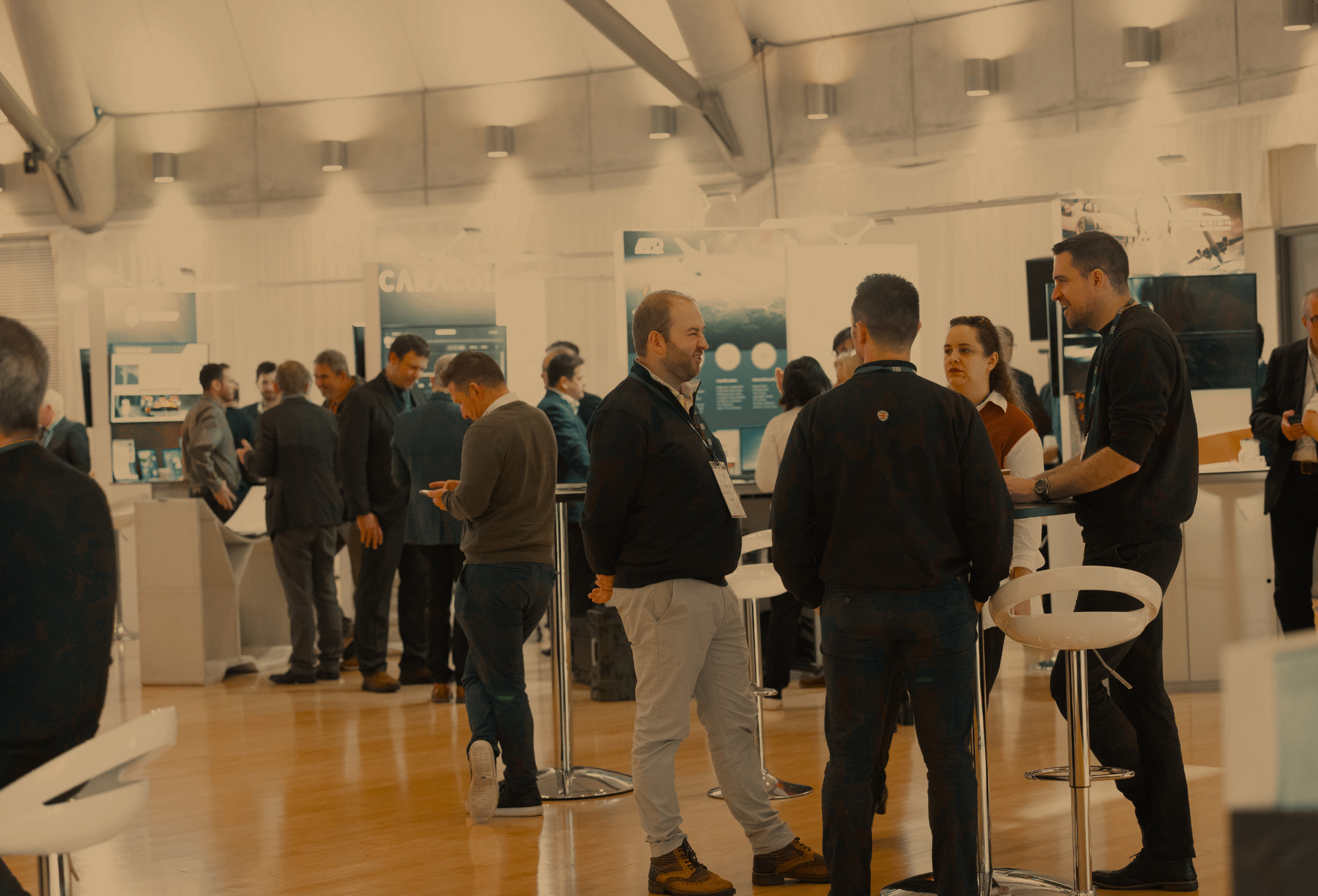
- Direct engagement between innovators, manufacturers, and investors.
- A shared understanding of what is needed to scale.
It is not about competing with global events such as JEC World or CAMX. It is about strengthening the connections that allow those ecosystems to deliver more.
From Conversation to Commercial Reality
For many companies, the challenge is no longer developing new technology. It is getting that technology into the market.
That requires:
- Access to the right partners
- Visibility with the right audience
- Alignment across the value chain
ICS is focused on enabling exactly that.
By bringing together stakeholders from across sectors and at every stage of the supply chain, the summit creates an environment where ideas can move beyond discussion and into application.
A Shared Responsibility
The future of the composites industry will not be defined by individual breakthroughs alone. It will be shaped by how effectively those breakthroughs are shared, scaled, and integrated.
If the industry continues to operate in isolation, progress will be slower than it needs to be.
But if it connects, collaborates, and aligns, the opportunity is significant.
ICS exists to support that shift.